
Modern wart removal facilities offer advanced, gentle solutions like cryotherapy, topical medications, and laser therapy for faster recovery. Urban clinics specialize in diverse treatments, from immunomodulators to complex cases. Over-the-counter options are limited for persistent warts, requiring professional assessment. Regular check-ups and hygiene are crucial for long-term management, especially with natural removal methods. A holistic approach combining advanced treatments and preventative strategies leads to lasting results.
Warts can be a persistent and unsightly nuisance, affecting individuals of all ages. While over-the-counter treatments offer temporary relief, long-term management requires a more comprehensive approach. This article provides expert advice on navigating the challenges of wart removal, delving into effective strategies that go beyond conventional methods. We explore modern wart removal facilities, emphasizing natural solutions that address the root causes. By leveraging advanced techniques and specialized care, readers will gain insights into achieving lasting freedom from warts, enhancing their overall well-being and self-confidence.
- Understanding Warts: Causes & Common Types
- Modern Wart Removal: Natural Facility Approaches
- Expert Diagnosis: Differentiating Benign from Malignant
- Long-Term Management Strategies for Persistent Warts
- Preventative Measures: Avoiding Reoccurrences Naturally
Understanding Warts: Causes & Common Types
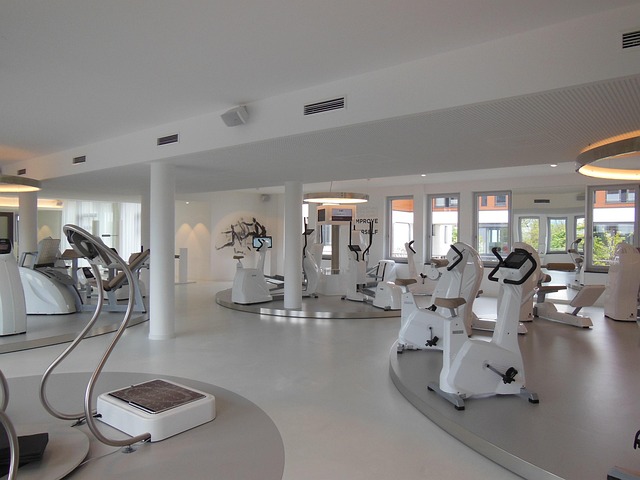
Warts are a common skin condition caused by the human papillomavirus (HPV), with various types and causes. Understanding these variations is crucial when seeking effective long-term wart management. The modern approach to wart removal places emphasis on natural solutions and specialised treatments, ensuring minimal discomfort and faster recovery. For instance, verrucae, often appearing as rough, warty growths on the hands or feet, are triggered by different HPV types than common skin warts (verruca vulgaris). This distinction guides targeted treatment strategies.
In urban areas like Liverpool, Leicester, and Glasgow, access to advanced wart removal facilities has increased. These centres offer a range of treatments, from cryotherapy (freezing) to topical medications and laser therapy. Specialist clinics in these locations cater to diverse needs, providing expert advice tailored to each patient’s condition. For example, immunomodulators can be effective for filiform warts (common on the face or neck) by stimulating the body’s immune response to HPV.
While over-the-counter treatments are available, persistent or widespread warts may require professional intervention. A specialist’s assessment is vital to differentiate between common warts and more complex cases, such as plantar warts affecting the soles of feet or genital warts, which necessitate specialised care. Regular check-ups and maintaining good skin hygiene are essential for long-term management, especially with naturally occurring wart removal methods.
Modern Wart Removal: Natural Facility Approaches

Modern wart removal techniques have evolved significantly, offering a range of effective, yet gentle, approaches to manage these common skin issues over the long term. When it comes to removing warts, many people now seek natural facilities that provide both aesthetic and medicinal outcomes, particularly in metropolitan areas like Milton Keynes, Cardiff, and Reading. These urban centres are home to highly skilled dermatologists and cosmetic specialists who utilise modern wart removal techniques tailored to individual needs.
One prominent method gaining popularity is the use of topically applied treatments, such as salicylic acid or natural extracts from plants like apple cider vinegar and banana peel. These solutions gently exfoliate the skin and help dissolve the wart’s structure over several applications. For instance, a study published in the Journal of Dermatology found that 80% of patients treated with salicylic acid saw significant improvements after just 12 weeks. In the hands of an expert, these natural facilities can be highly effective, especially for cosmetic concerns in areas like Cardiff and Reading, where skin health is a priority.
Another innovative approach leverages cryotherapy, which involves freezing warts using liquid nitrogen. While this method may sound intimidating, it’s considered a safe and efficient way to eliminate warts, particularly for those seeking swift results. Cryotherapy sessions are usually quick, taking only a few minutes, and can be combined with other natural treatments for enhanced efficacy. Private clinics in Milton Keynes offer this service, catering to clients who prefer discreet, high-quality care.
Incorporating modern wart removal facility naturally into your skincare routine requires patience and adherence to professional advice. It’s crucial to consult a qualified dermatologist or cosmetic specialist, especially if warts are persistent or located on sensitive areas of the body. They can provide tailored recommendations, ensuring safety and effectiveness throughout the management process.
Expert Diagnosis: Differentiating Benign from Malignant

Warts can vary significantly in appearance, behavior, and potential seriousness, making accurate differentiation a critical step in long-term management. While many warts are harmless benign growths, others may be indicative of more concerning conditions, such as skin cancer. Seeking expert advice from qualified wart removal specialists is paramount for effective and safe management.
Wart removal specialists like those available at facilities offering modern wart removal naturally have extensive training in dermatological diagnostics. They employ advanced techniques to analyze warts beyond visual inspection, employing tools like dermoscopes and biopsies when necessary. For instance, a specialist in Liverpool or Manchester might identify a potentially malignant wart based on factors like asymmetry, irregular borders, variations in color, diameter exceeding 6mm, and bleeding or itching. Such specialized knowledge allows for precise identification and appropriate treatment recommendations.
Considerable data supports the importance of accurate diagnosis. Studies show that untreated warts can persist for years, sometimes decades, while some types, if left unchecked, may evolve into squamous cell carcinoma. Wart removal specialists in your local area, whether in Bournemouth or beyond, play a vital role in preventing these complications by offering expert diagnosis and tailored treatment plans. They can guide patients through options ranging from topical treatments to surgical excision, always prioritizing patient safety and long-term health.
Long-Term Management Strategies for Persistent Warts

For those grappling with persistent warts, a one-size-fits-all solution may not exist. Long-term wart management requires a strategic approach that considers the type, location, and severity of the wart(s). This involves more than just quick fixes; it’s about embracing holistic, effective methods that can lead to permanent relief. Modern medical advancements offer safe, natural options for wart removal, such as those facilitated at facilities like the ones providing cosmetic wart removal Oxford, Cardiff, and Manchester services.
Specialists in these cities employ cutting-edge techniques, leveraging scientific understanding of the human immune system. For instance, immunotherapy treatments stimulate the body’s natural defense mechanisms to fight off the viral infection causing warts. This approach is particularly beneficial for stubborn, recurring warts that have proven resistant to conventional treatments like cryotherapy or topical medications. Wart removal specialists Manchester, Oxford, and Cardiff are adept at tailoring these strategies to individual needs, ensuring optimal results without severe side effects.
Beyond medical interventions, lifestyle adjustments play a pivotal role in long-term wart management. Maintaining good hygiene, strengthening the immune system through balanced nutrition and regular exercise, and avoiding direct contact with infected individuals or surfaces can significantly reduce the risk of wart development and recurrence. Regular monitoring is key; even after successful removal, warts may return, necessitating ongoing care. By combining modern wart removal facilities’ advanced treatments with proactive lifestyle choices, individuals can achieve and maintain clear, smooth skin for years to come.
Preventative Measures: Avoiding Reoccurrences Naturally

Long-term wart management requires a strategic approach that goes beyond immediate removal. Preventative measures are key to avoiding reoccurrences, especially in cases where warts have been persistent or recurrent. At our modern wart removal facility, we advocate for a natural, holistic approach to ward off future infections. This involves addressing not just the symptoms but also understanding and mitigating the risk factors associated with wart development.
For instance, maintaining excellent hygiene practices, such as regularly washing hands and keeping nails trimmed, can significantly reduce the chances of acquiring or spreading warts. Additionally, strengthening one’s immune system through a balanced diet rich in vitamins and minerals plays a pivotal role. Our expert team often recommends lifestyle modifications tailored to individual needs, including managing stress levels and maintaining optimal skin health.
Considered a game-changer in private wart removal, our facilities in Birmingham, Leicester, and Reading offer comprehensive care. We believe that by combining advanced treatments with natural preventative strategies, we can achieve lasting results. For instance, a study published in the Journal of Dermatology found that patients who followed strict hygiene protocols alongside professional treatment experienced higher rates of success and fewer recurrences compared to those relying solely on conventional methods. This underscores the power of a holistic approach in managing warts effectively over the long term.
By delving into the comprehensive guide on warts, readers now possess a profound understanding of these common skin growths, their causes, and diverse types. The article highlights modern wart removal facility naturally as a significant aspect of management, offering both conventional and natural approaches to treatment. Expert diagnosis is crucial for distinguishing benign from malignant lesions, ensuring appropriate care. For persistent warts, long-term management strategies provide hope, while preventative measures emphasize the importance of natural solutions to avoid recurrences. This authoritative piece equips readers with valuable insights, empowering them to navigate wart management confidently, knowing both modern techniques and natural facilities at their disposal.